Crate Train Your SR. Pooch 101
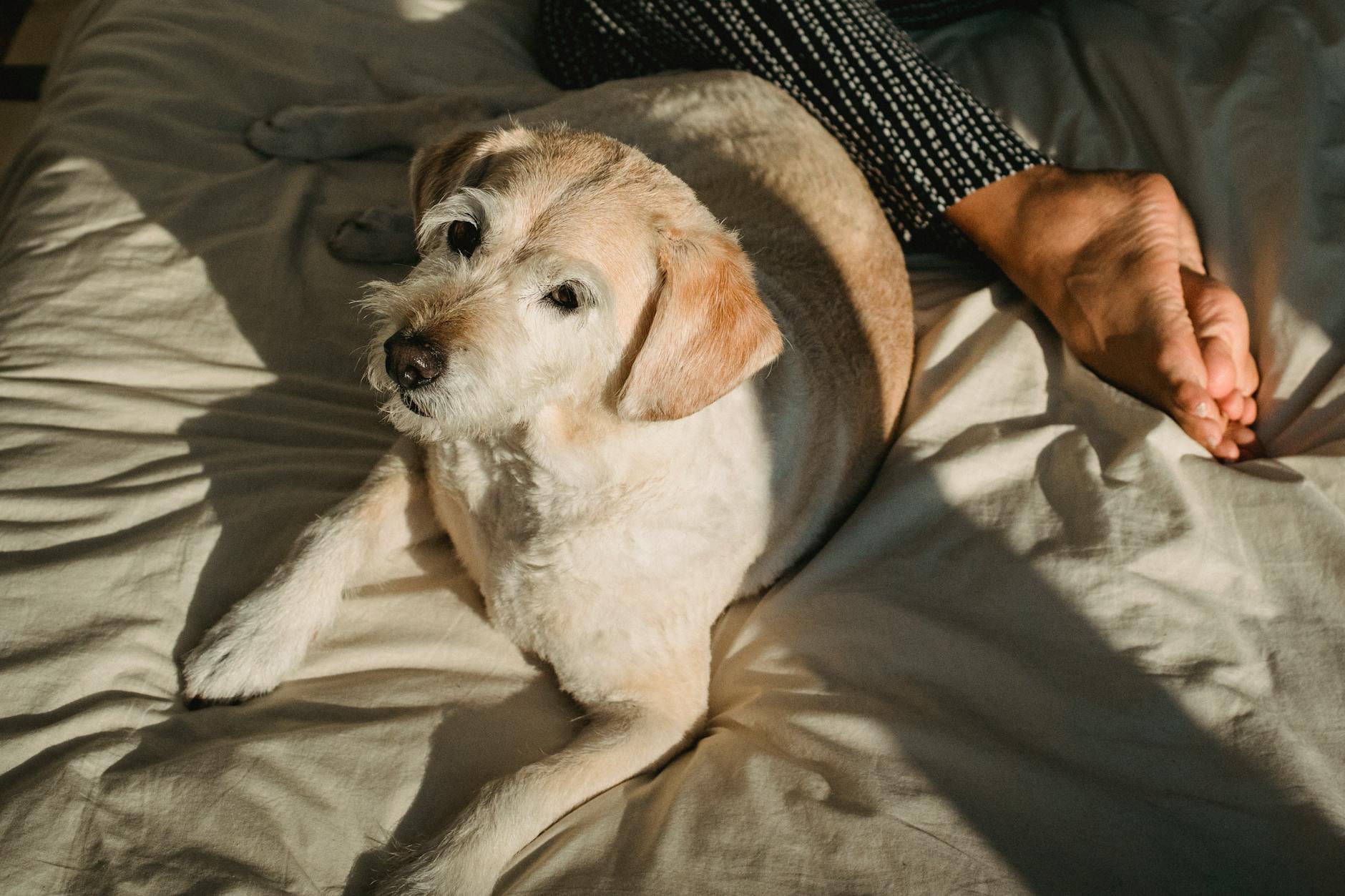
As our beloved four-legged companions age, their needs and capabilities evolve. Senior dogs may require crate training for various reasons, such as health-related issues that necessitate closer monitoring or changes in their environment that could cause stress or confusion. Crate training can provide a safe haven for your elderly pet, offering them a space of comfort and security. In this article, we'll explore the steps to successfully crate train your senior dog, ensuring that the transition is smooth and stress-free for both of you.
Understanding the Needs of a Senior Dog
Before diving into crate training, it's important to consider the unique needs of a senior dog. Older dogs may have decreased mobility, joint pain, or vision and hearing impairments that can affect their ability to adapt to new situations. Patience and gradual adaptation are key when crate training an elderly canine.
Choosing the Right Crate
Selecting an appropriate crate is crucial for your senior dog's comfort:
-
Size: Ensure the crate is large enough for your dog to stand up, turn around, and lie down comfortably.
-
Accessibility: Consider crates with a lower entry threshold to accommodate dogs with mobility issues.
-
Comfort: Add soft bedding to support your dog's joints and a cover to make the crate feel more like a den.
Introducing the Crate
Introduce the crate gently to avoid any negative associations.
-
Placement: Place the crate in a quiet yet accessible area of your home where your dog enjoys spending time.
-
Familiarization: Let your dog explore the crate with the door open, encouraging them with treats and positive reinforcement.
-
Meals Inside: Feed your dog inside the crate to create a positive connection with the space.
Gradual Conditioning
Take the time to condition your senior dog for the crate.
-
Short Sessions: Start with brief periods in the crate, gradually increasing the duration as your dog becomes more comfortable.
-
Calm Departures: When you leave the house, keep farewells and greetings low-key to reduce anxiety associated with your coming and going.
-
Consistent Routine: Maintain a regular schedule for crating sessions to help your senior dog anticipate and adapt to time spent in the crate.
Comfort Measures
Ensuring your dog's comfort is essential.
-
Potty Breaks: Senior dogs may need more frequent bathroom breaks. Plan a schedule that accommodates their needs and avoids accidents in the crate.
-
Soothing Presence: Leave an item with your scent in the crate, or consider a calming pheromone diffuser to provide comfort.
Crate Training Tips
-
Patience is Key: Always proceed at your dog's pace and never force them into the crate.
-
Avoid Negativity: Never use the crate as a punishment. It should always be a positive, safe space.
-
Associate the Crate with Good Things: Use treats, praise, and toys to reinforce the crate as a rewarding place to be.
In Conclusion
Crate training your senior dog can be a fulfilling journey that offers peace of mind and a secure refuge for your aging friend. By following these principles of patience, adaptation, and positive reinforcement, you can help your senior pooch embrace crate training as a natural part of their daily routine.
It's a testament to the bond you share with your furry family member, showing that with love and understanding, you can both navigate the changes that come with aging, ensuring comfort, safety, and happiness in their golden years.